Why Most CRMs Can't Keep Up with Outbound Reps (And What to Do About It)
Traditional CRMs were built for account managers, not outbound teams. Here's why your CRM slows reps down and how Pipeline changes the equation.
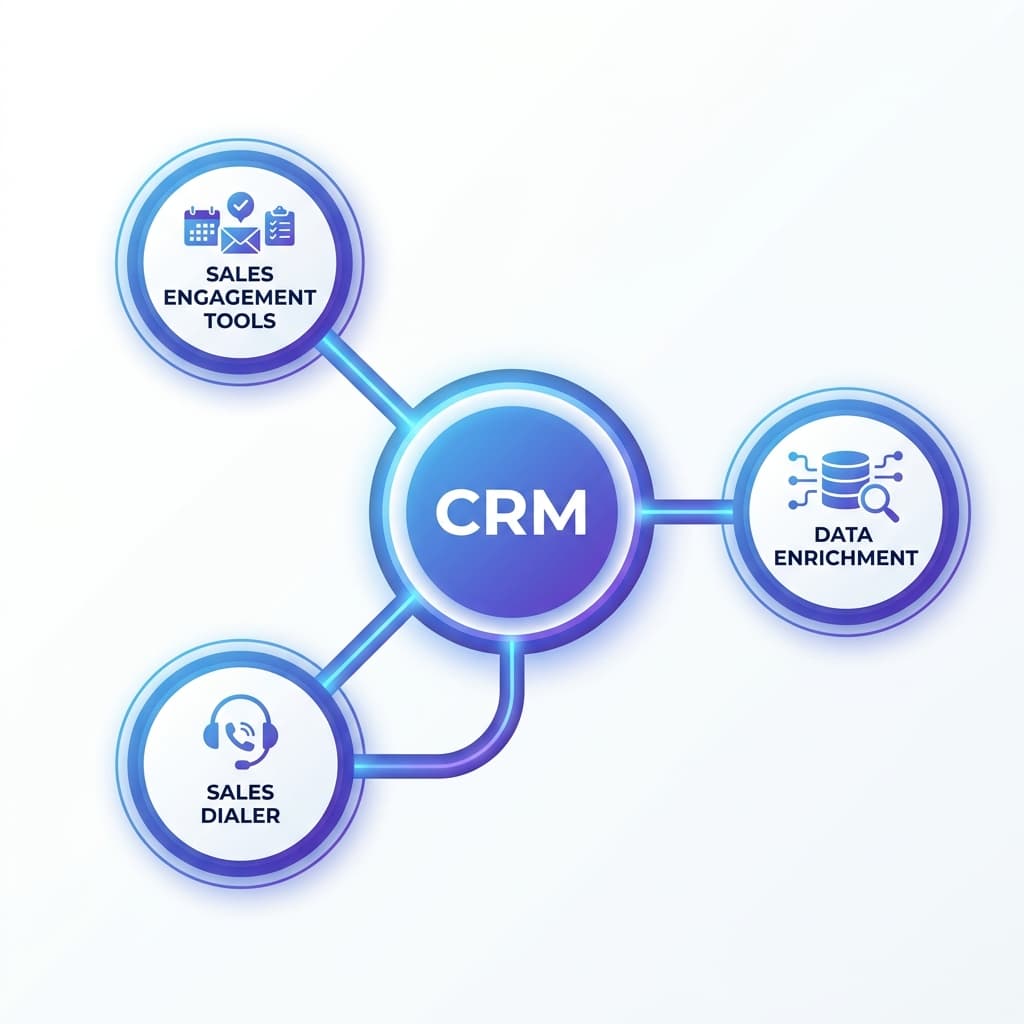
Ask any outbound rep what their biggest time sink is, and they'll tell you: CRM data entry. The average rep spends 5.5 hours per week on manual CRM updates — time that should be spent selling. The problem isn't that reps are lazy; it's that most CRMs were designed for account management, not high-velocity outbound. Pipeline was built differently.
The Data Entry Trap
Legacy CRMs require reps to manually log every call, email, and note. That's 5+ hours per week of administrative work that adds zero pipeline. The irony? Most of that data already exists in your dialer, email client, and calendar. A modern CRM should capture it automatically — and that's exactly what Pipeline does by syncing in real time with Switchboard, your email, and your calendar.
Visual Pipeline Management
Outbound reps think in terms of stages: contacted, qualified, demo booked, negotiation. Pipeline mirrors this mental model with a drag-and-drop visual board. You can see every deal's status at a glance, move deals between stages instantly, and filter by rep, date, or deal value. No more digging through dropdown menus to find where a deal stands.
Automated Deal Routing
When a lead requests a demo at 2 AM, it should be routed to the right rep before they wake up. Pipeline's automated routing rules assign leads based on territory, deal size, rep availability, and round-robin logic. No manual handoffs, no leads falling through the cracks, no favoritism — just fast, fair distribution.
Written by
Sarah Lin
Product Marketing Lead, Switchstack
Sarah has 6 years of experience in SaaS product marketing, specializing in CRM and sales engagement tools. She's passionate about making complex sales tech simple.
Newsletter
Tactics worth your inbox.
Outbound tactics and product updates — only when we have something genuinely worth sharing.